


Benchtop EPR Instruments
meeting the needs of scientific and industrial laboratories
including beer flavor testing, low dose dosimetry, catalyst studying and other
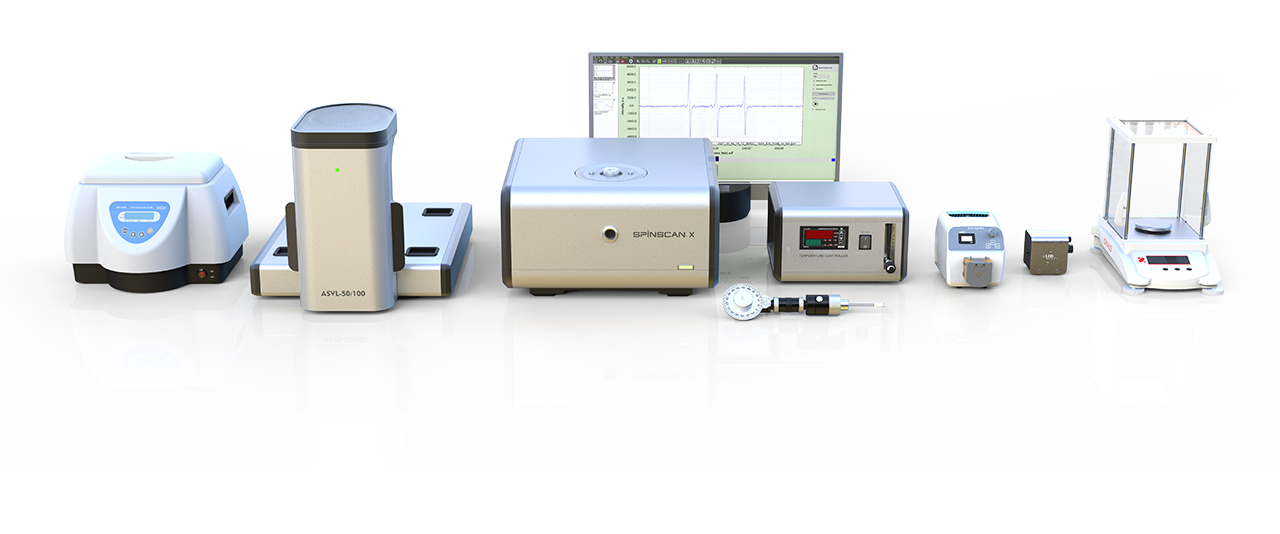
Discover our advanced EPR instrumentation solutions, designed to elevate your research in electron paramagnetic resonance (EPR) spectroscopy. At the heart of our platform is the SPINSCAN Benchtop X-band EPR Spectrometer — a compact, high-sensitivity system for the detection and quantification of paramagnetic species, nitroxyl radicals, and free radicals in both liquid and solid phases. This benchtop EPR spectrometer serves as a reliable EPR gauge, delivering reproducible results across diverse scientific and industrial tasks — from routine quality control to advanced material and biomedical studies.
- Alanine-EPR Dosimetry System:
A fully integrated solution based on SPINSCAN EPR instrumentation, optimized for alanine dosimetry in medical radiation therapy and industrial irradiation processing. Compliant with ISO/ASTM 51607 standards, it enables precise dose measurement across a wide dynamic range — ideal for QA, dose mapping, and calibration workflows. - Beer Flavor Stability Analyzer:
A dedicated EPR-based configuration for the food and beverage sector. This implementation enables accelerated aging protocols and the monitoring of beer flavor degradation, helping producers ensure consistency and predict shelf-life through antioxidant activity profiling. - Catalyst Research System:
A specialized toolkit for catalyst characterization using X-band EPR. Suitable for tracking reaction intermediates and surface-bound radicals, it supports both fundamental research and industrial development in catalysis, petrochemistry, and material science.
Know more from linevsystems.com
A COMPREHENSIVE SUITE
OF CUTTING-EDGE INSTRUMENTS
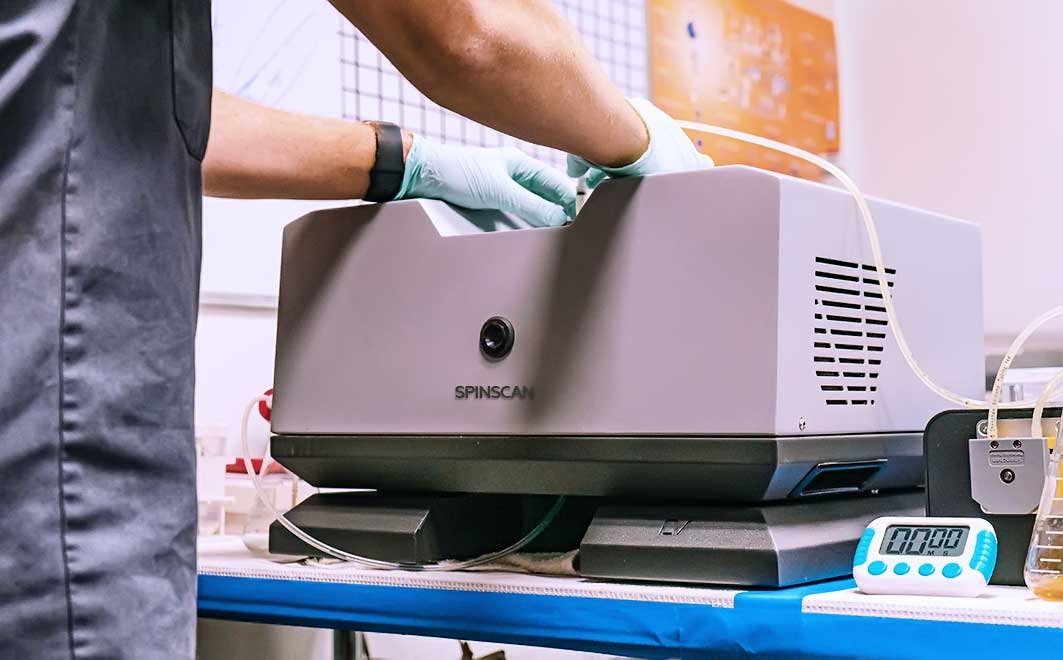
Accelerate your research with our advanced EPR instrumentation suite, centered around the high-performance Benchtop X-band EPR Spectrometer. Designed for scientists across disciplines—from materials science and catalysis to alanine dosimetry and food chemistry—our systems offer unmatched sensitivity, analytical accuracy, and operational reliability for both academic institutions and industrial laboratories.
Unlock Molecular-Level Insights
With the SPINSCAN Benchtop X-band EPR Spectrometer, researchers can explore electronic structures, spin states, and molecular reactivity of paramagnetic species, free radicals, and transition metal complexes. The system supports advanced quantitative and qualitative EPR spectroscopy, making it ideal for applications such as oxidation process monitoring, radical detection in biological samples, and spin-labeling studies in protein chemistry.
Application-Driven Versatility
SPINSCAN-based platforms are used across a wide range of fields: alanine-EPR dosimetry systems for precise radiation dose assessment, beer flavor degradation analyzers for predictive quality control in brewing, and catalyst evaluation setups for mechanistic studies in petrochemical and environmental chemistry. As a compact and adaptable EPR gauge, SPINSCAN integrates seamlessly into both routine QA workflows and high-end R&D environments.
Advanced EPR Technology, Simplified
Our EPR spectrometers are engineered with usability and precision in mind, featuring automated calibration routines, variable-temperature accessories, and powerful spectrum analysis software. With intuitive control interfaces and optional modular upgrades, SPINSCAN serves both entry-level users and advanced spectroscopists. High-resolution EPR/ESR signal acquisition ensures data reproducibility and supports confident, publication-ready results.
SPINSCAN X Benchtop X-band EPR Spectrometer
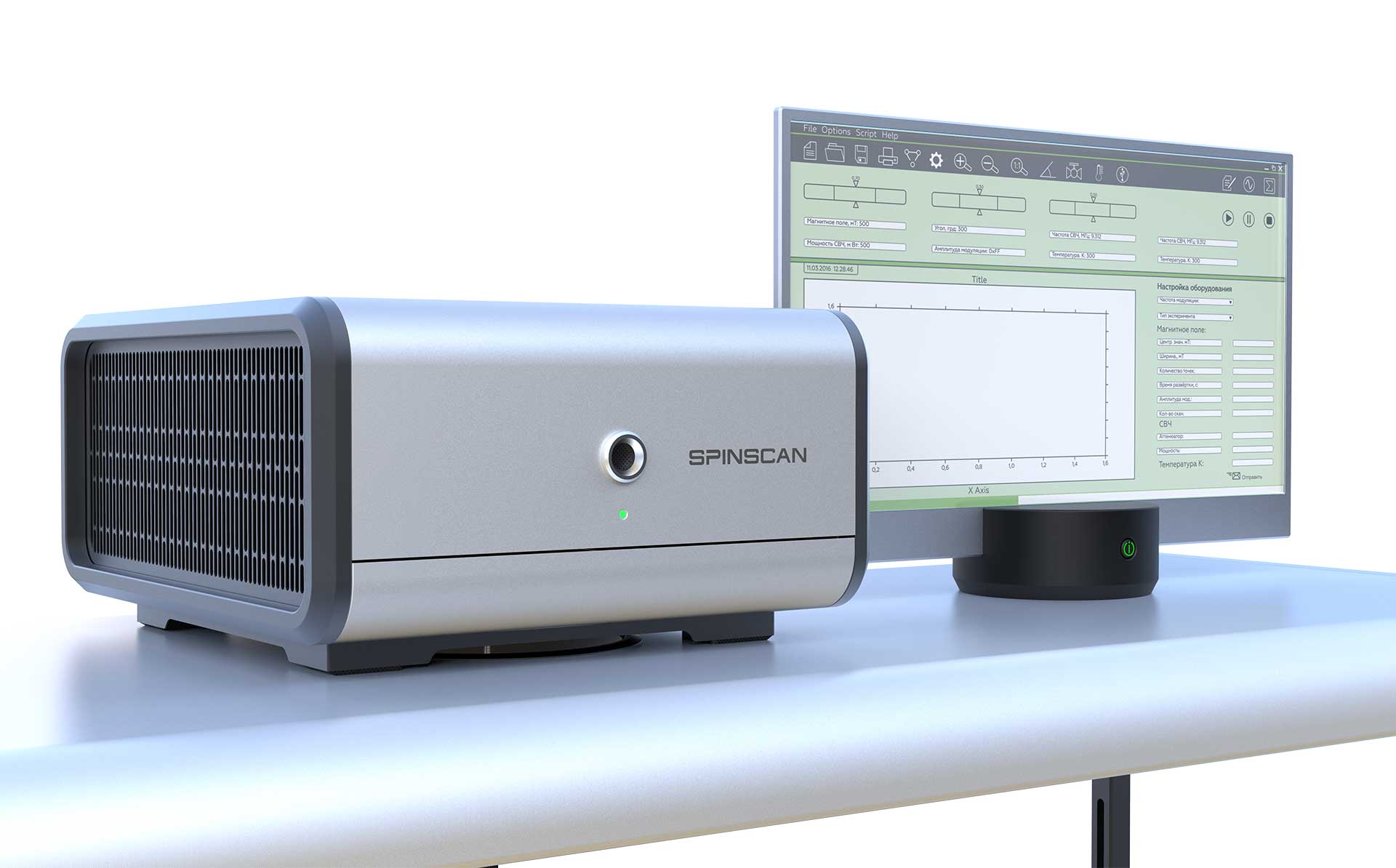
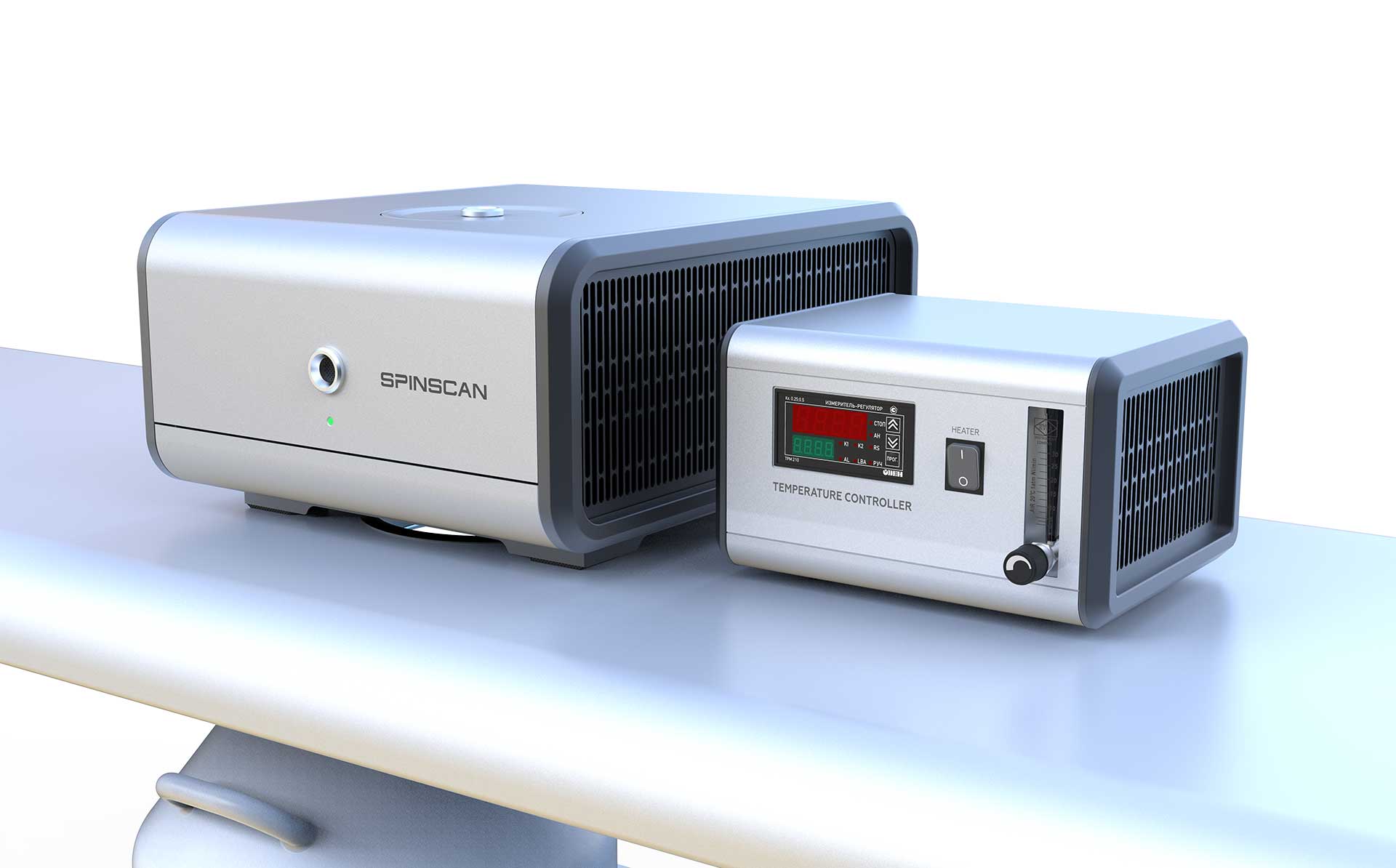
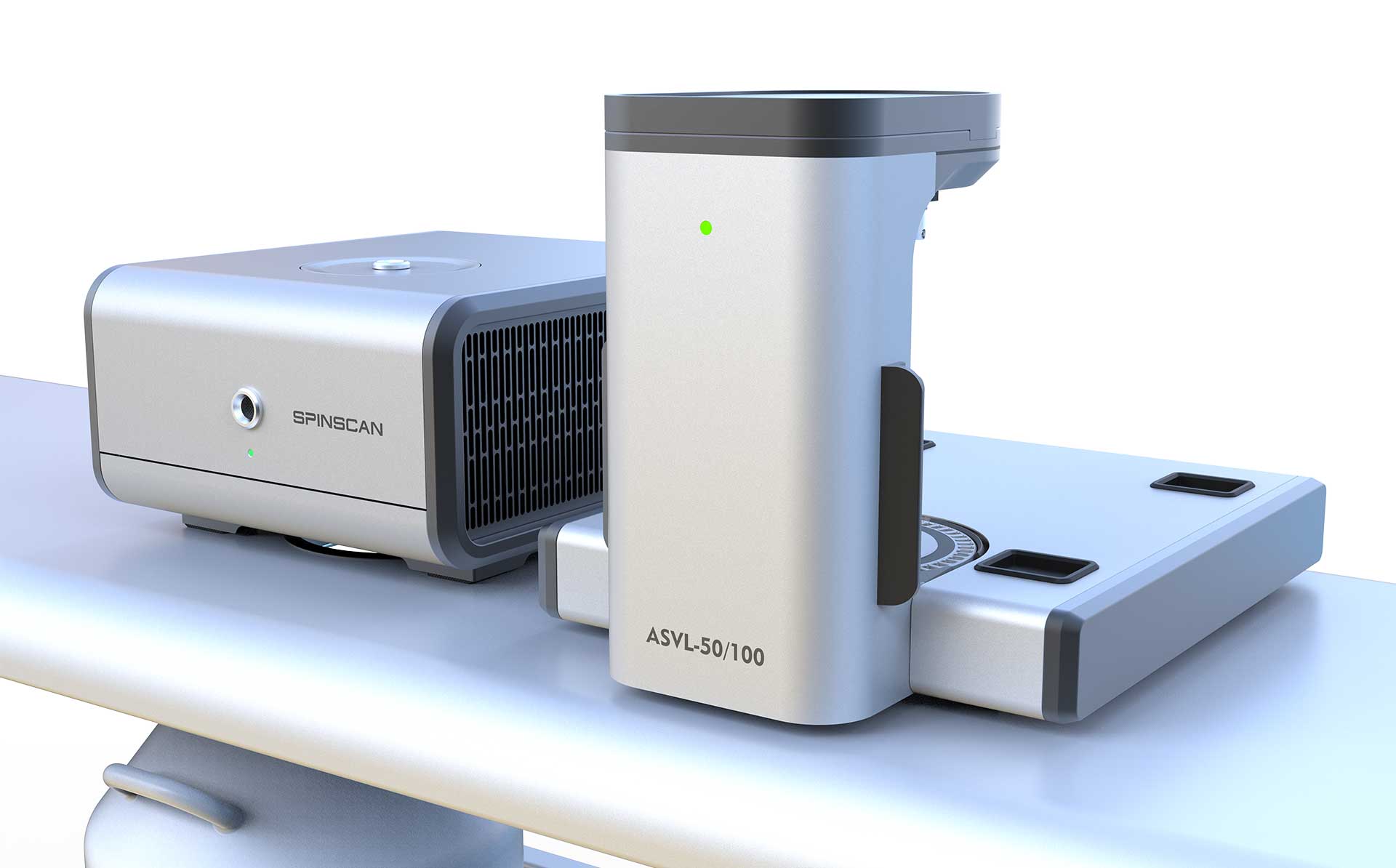
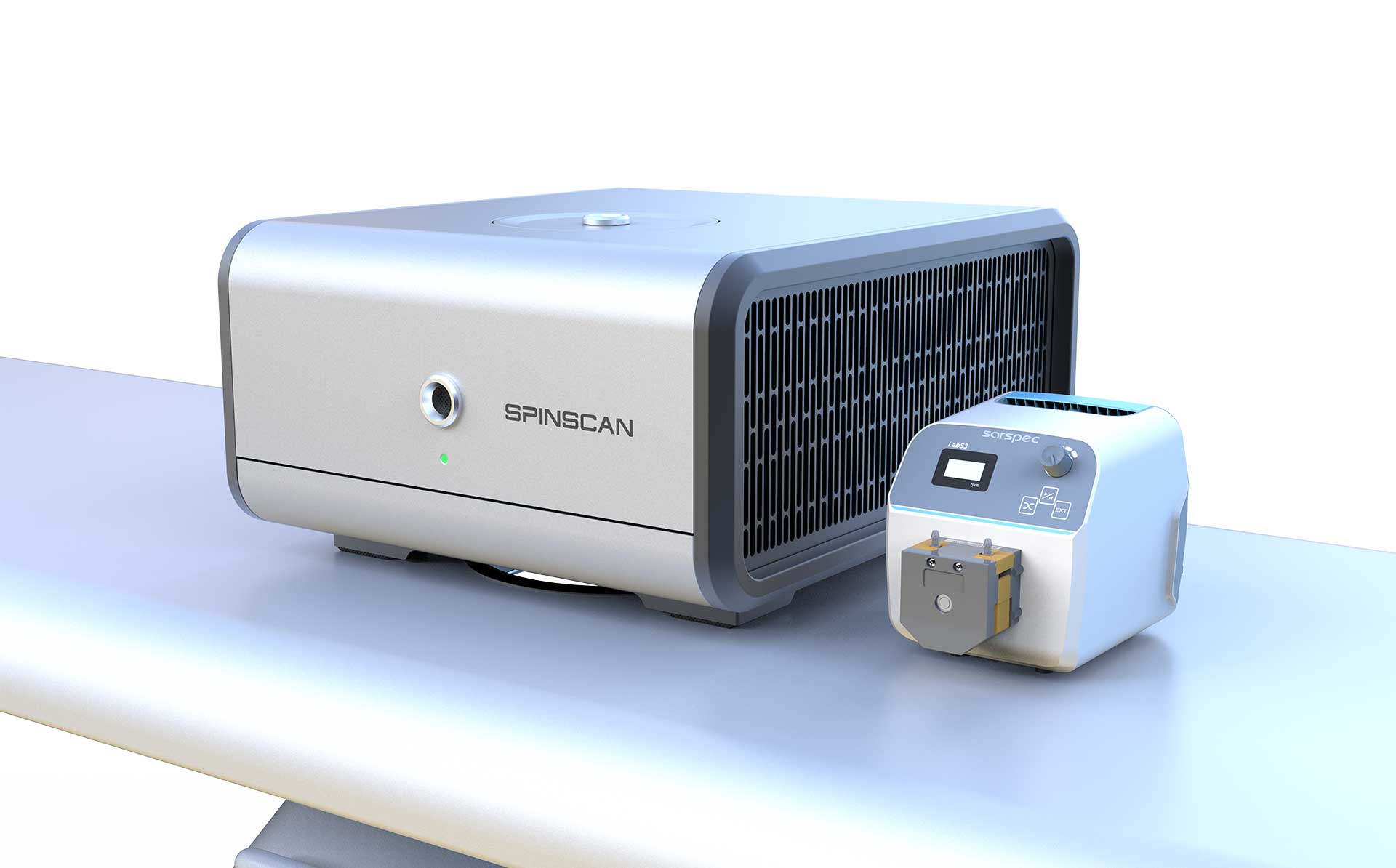
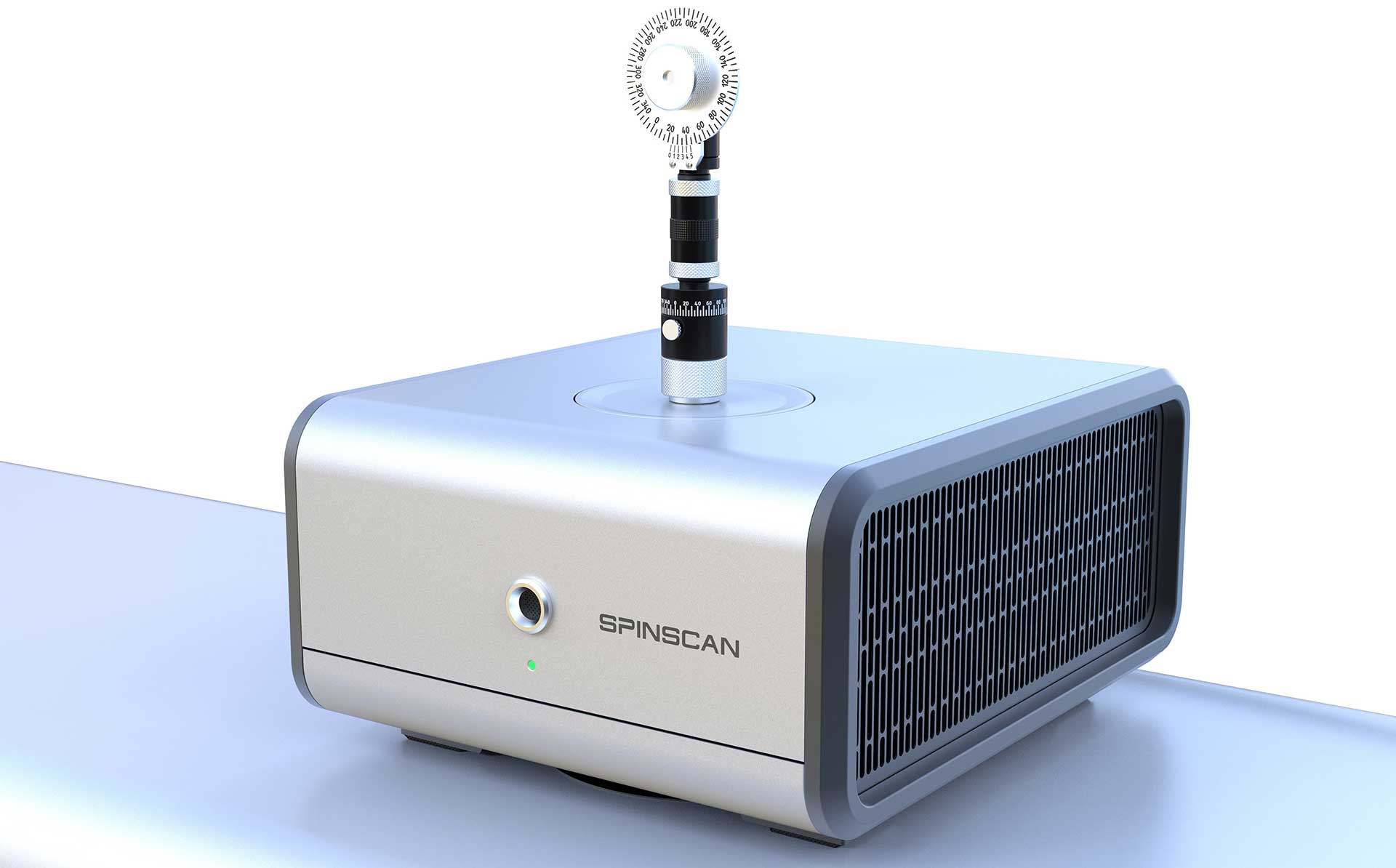
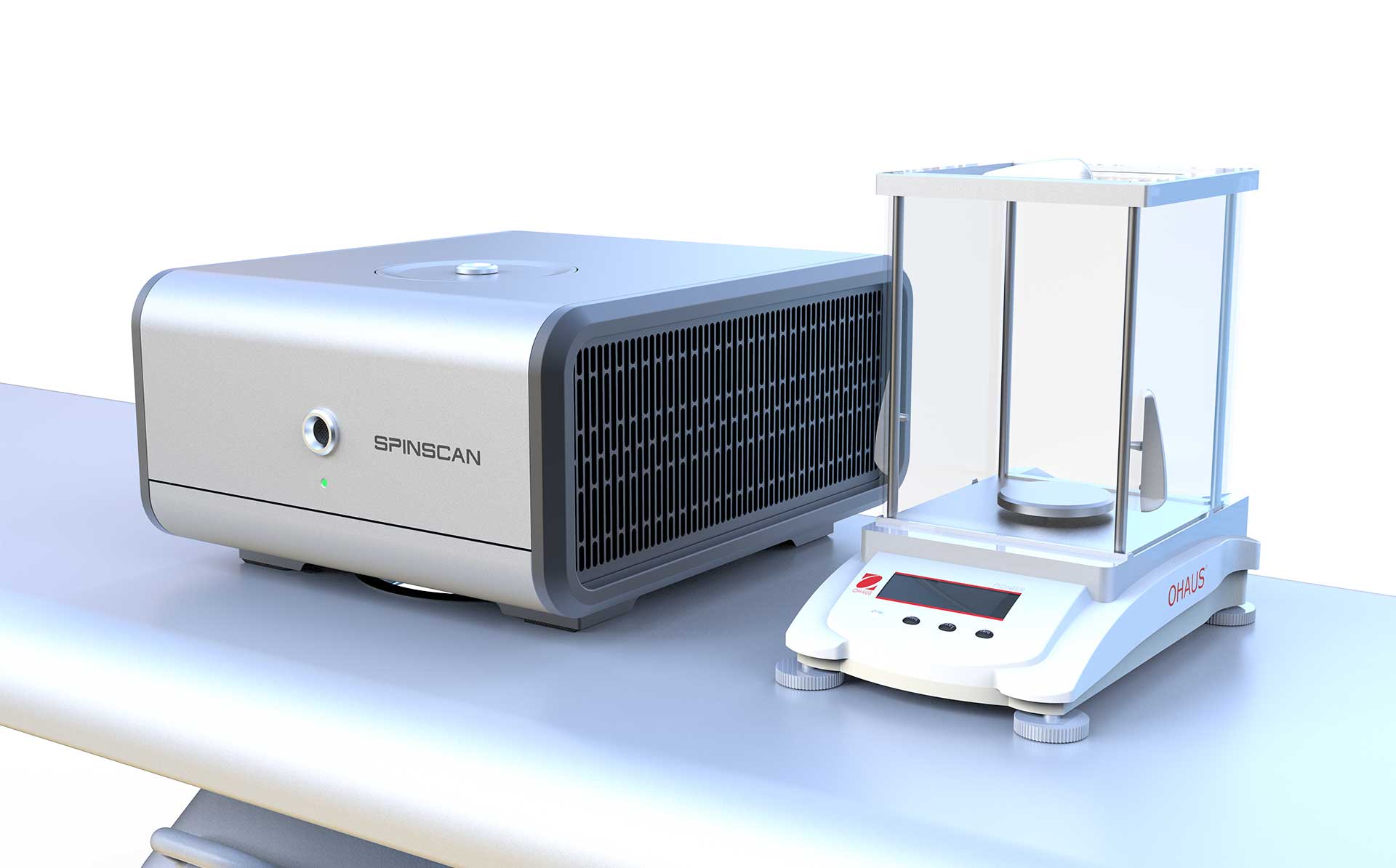
The SPINSCAN X is a next-generation benchtop X-band EPR spectrometer designed for advanced scientific and industrial applications. Developed using over 40 years of EPR instrumentation expertise, it delivers research-grade performance in a compact footprint, ideal for laboratories seeking high-precision results without large-scale systems.
Capable of registering detailed EPR spectra from both liquid and solid samples, the system excels in free radical detection, paramagnetic species analysis, and real-time monitoring of reactive intermediates. Its sensitivity and spectral resolution rival that of significantly larger and more expensive ESR systems, making it a powerful choice for facilities with limited space and high-performance needs.
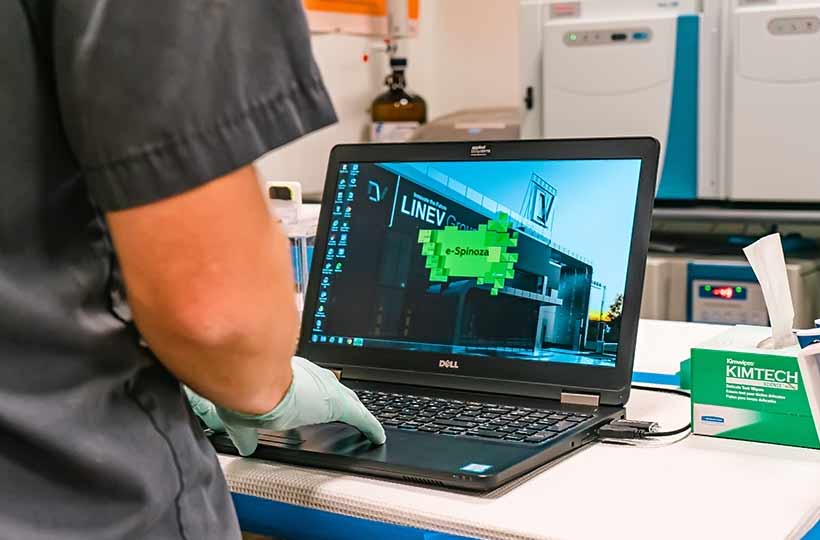
SPINSCAN X is fully computer-controlled and delivered with the e-Spinoza software suite, offering automated acquisition, simulation, and EPR signal processing. Built-in features such as magnetic field sensors, frequency meter, g-factor calculator, and self-diagnostic tools ensure accurate, stable operation across a wide range of experimental conditions.
Key Technical Highlights:
- Measurement of cavity Q-factor and microwave power
- Magnetic field modulation range: 10 kHz – 250 kHz
- Phase detection: 0–360°
- First and second harmonic detection (in/out of phase)
- Amplitude resolution: 24-bit
- Dynamic range: up to 140 dB per scan
- Magnetic field resolution: up to 256,000 points/sweep
- Automated system self-diagnostics and calibration routines
- 2D EPR experiments (intensity vs power, modulation, temperature)
- Ethernet interface for high-speed data transfer
- e-Spinoza Software: user-friendly interface with integrated simulation and spectrum analysis tools
- Compact, ergonomic format for benchtop EPR use
Catalyst Analysis with EPR: Advanced Research System
Unlock new dimensions in catalyst characterization with our Catalyst Studying System, purpose-built around the SPINSCAN X benchtop EPR spectrometer. Developed for scientists exploring surface reactions and redox dynamics, the system enables high-resolution analysis of short-lived intermediates and paramagnetic species central to catalytic mechanisms.
This EPR-based catalyst analysis platform supports both in-situ and ex-situ studies of catalytic cycles. Featuring precise control over temperature and microwave parameters, it facilitates real-time observation of reaction pathways in transition metal complexes, metal-organic frameworks (MOFs), and heterogeneous catalysts.
Equipped with automated workflows, spectral simulation functions, and flexible acquisition settings, the system simplifies complex EPR spectroscopy setups. It ensures accurate, reproducible data in academic and industrial research—whether you’re optimizing industrial catalysts or studying biomimetic enzyme systems.
Key Benefits of the SPINSCAN EPR Platform
- High-Precision EPR Measurements: Delivering excellent signal-to-noise ratio and amplitude resolution, SPINSCAN ensures quantitative EPR spectroscopy for free radical detection, spin labeling studies, and transition metal analysis. Every scan offers reproducibility essential for research, validation, and regulatory documentation.
- Streamlined Research Workflows: Enhance laboratory efficiency through automated acquisition, integrated control of experimental parameters, and the e-Spinoza EPR signal processing software. Real-time monitoring and simulation tools reduce setup time and improve interpretive clarity.
- Application Flexibility: The SPINSCAN EPR instrumentation platform supports both liquid and solid-phase samples in a broad spectrum of fields — including alanine dosimetry, catalyst characterization, food oxidation stability, materials science, and biological EPR studies.
- Trusted Scientific Outcomes: Proven performance across thousands of hours of operation enables confidence in data used for peer-reviewed publications, QA/QC reporting, and advanced R&D. SPINSCAN is a reliable EPR gauge trusted by researchers worldwide.
Experience the Future of Scientific Discovery:
Advance your research capabilities with the SPINSCAN Benchtop X-band EPR Spectrometer — a compact, high-performance platform designed to meet the demands of modern electron paramagnetic resonance spectroscopy. Supporting real-time analysis of paramagnetic systems and reaction intermediates, SPINSCAN empowers breakthroughs in chemistry, biophysics, and applied materials research.
Beer Flavor Stability Analyzer (SPINSCAN XB)
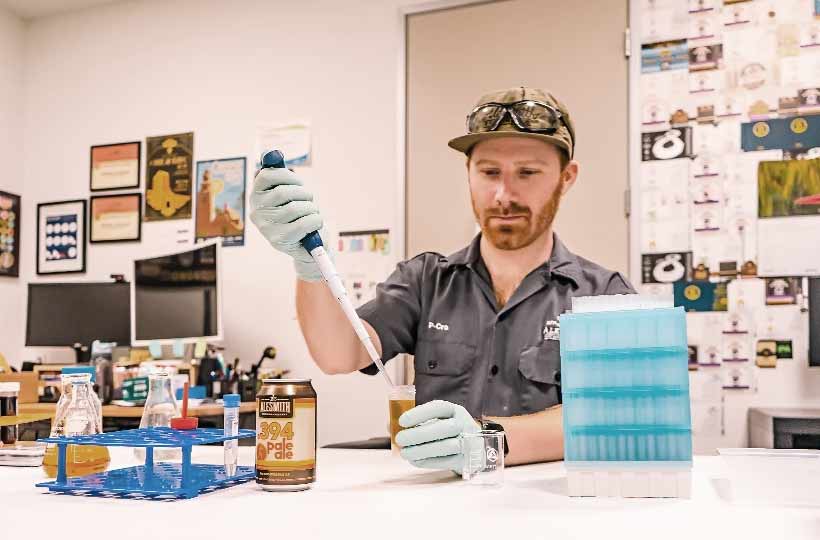
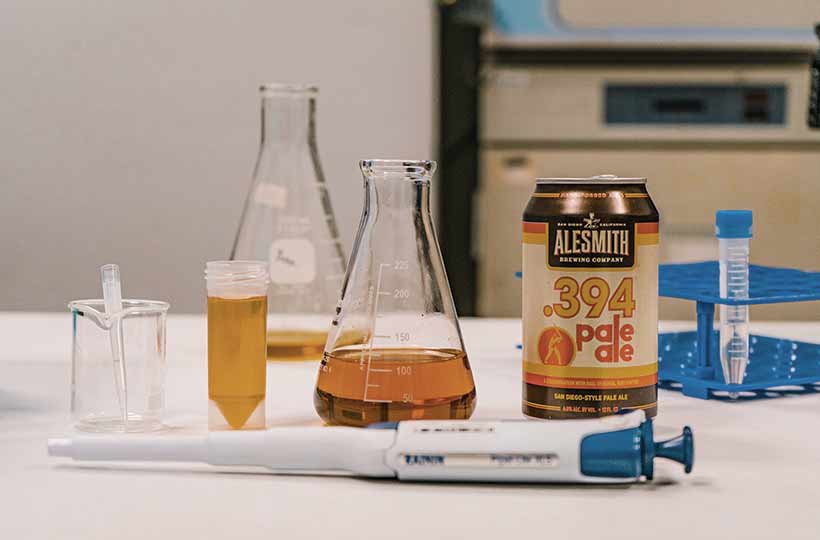
Ensure long-term quality and shelf-life predictability in brewing with the SPINSCAN XB Beer Flavor Stability Analyzer. Flavor stability refers to the rate of beer flavor degradation during storage, influenced by yeast strain selection, fermentation parameters, and oxidative reactions during packaging and distribution.
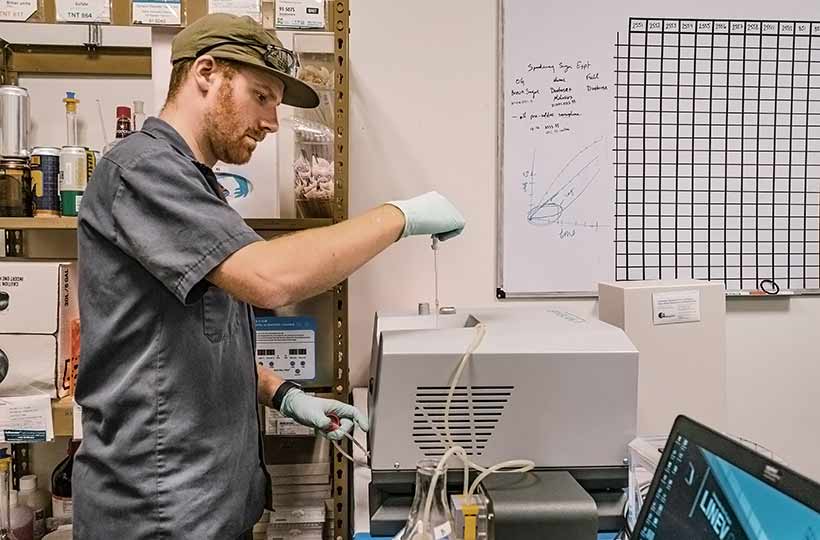
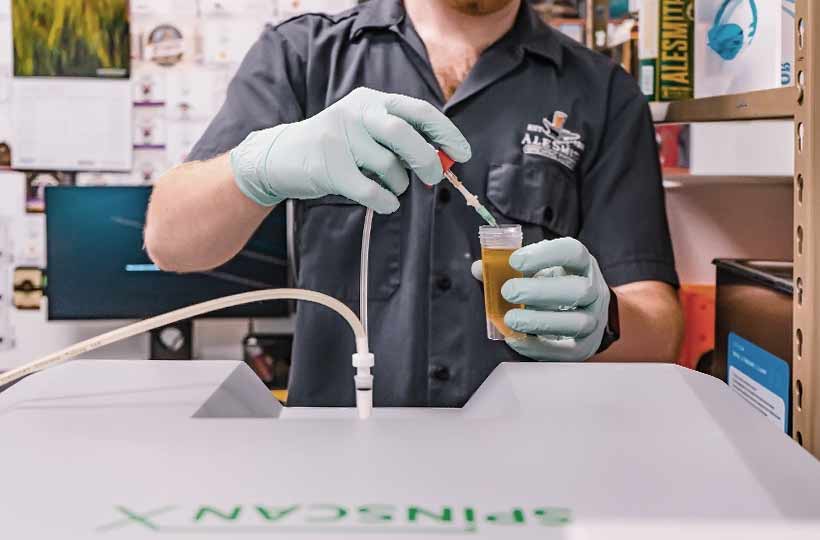
This solution utilizes Electron Paramagnetic Resonance (EPR) spectroscopy, employing the spin-trapping technique to directly detect reactive free radicals formed during beer aging. With accelerated testing protocols, it allows breweries to reduce evaluation time and confidently predict product stability under various conditions.
Built on a compact benchtop ESR spectrometer, the SPINSCAN XB platform supports oxidative stability testing, experimental brewing workflows, and real-time oxidation monitoring. It’s ideal for commercial breweries, quality control labs, and R&D teams focused on maintaining flavor integrity.
- SPINSCAN XB Benchtop ESR Spectrometer
- Spin Trap Kit and Lag-Time Analysis Apps
- Thermo bath with magnetic stirring
- Flow-through analysis system (pump, cell, hoses)
- Comprehensive beer oxidation software suite
- Full labware and accessory set included
- System package optimized for accelerated beer aging tests
Alanine-EPR Dosimetry System (SPINSCAN XDS)
Ensure precise and traceable radiation dose verification with the SPINSCAN XDS Alanine-EPR Dosimetry System. Developed for routine audits in medical QA, industrial gamma irradiation, and national metrology institutes, this benchtop EPR spectrometer integrates seamlessly into high-throughput alanine dosimetry workflows.
The system is optimized for sensitive readout of irradiated alanine pellets using EPR spectroscopy. Its high signal-to-noise ratio, excellent linearity, and advanced automation deliver consistent, reproducible results across broad dose ranges — from 10 Gy up to 1000 Gy and beyond.
Engineered for 24/7 reliability, this robust EPR platform achieves over 99% operational uptime. Whether used in industrial irradiation facilities or calibration labs, it provides a reliable EPR gauge for real-time control, mapping, and verification of radiation processing.
The alanine dosimetry system is compatible with standard pellet formats and supports interchangeable sample holders, ensuring full compatibility with existing QA procedures and calibration standards.
Smart Software Platform for Automated EPR Workflows
Software Platform for Automated EPR Spectroscopy
Our EPR software platform serves as the central intelligence of the SPINSCAN system, orchestrating every stage of the measurement process — from real-time signal acquisition to structured result reporting. Designed to meet the needs of both high-throughput industrial labs and specialized research environments, it supports fully automated, traceable, and user-friendly operation across all application areas.
The software manages the entire EPR measurement workflow: experiment setup, sample scheduling, automated signal capture, spectral interpretation, and archiving. It adapts dynamically to different tasks — whether evaluating radical concentration in chemical studies, analyzing catalyst behavior, or verifying radiation dose using alanine dosimetry — while maintaining full compliance with metrological and documentation standards.
By standardizing procedures and reducing operator input, the system enhances repeatability and eliminates typical sources of human error. Every action is logged, every result is stored with complete metadata, and every curve, scan, or batch is export-ready — making it a powerful tool for regulated industries, academic research, and QA laboratories alike.
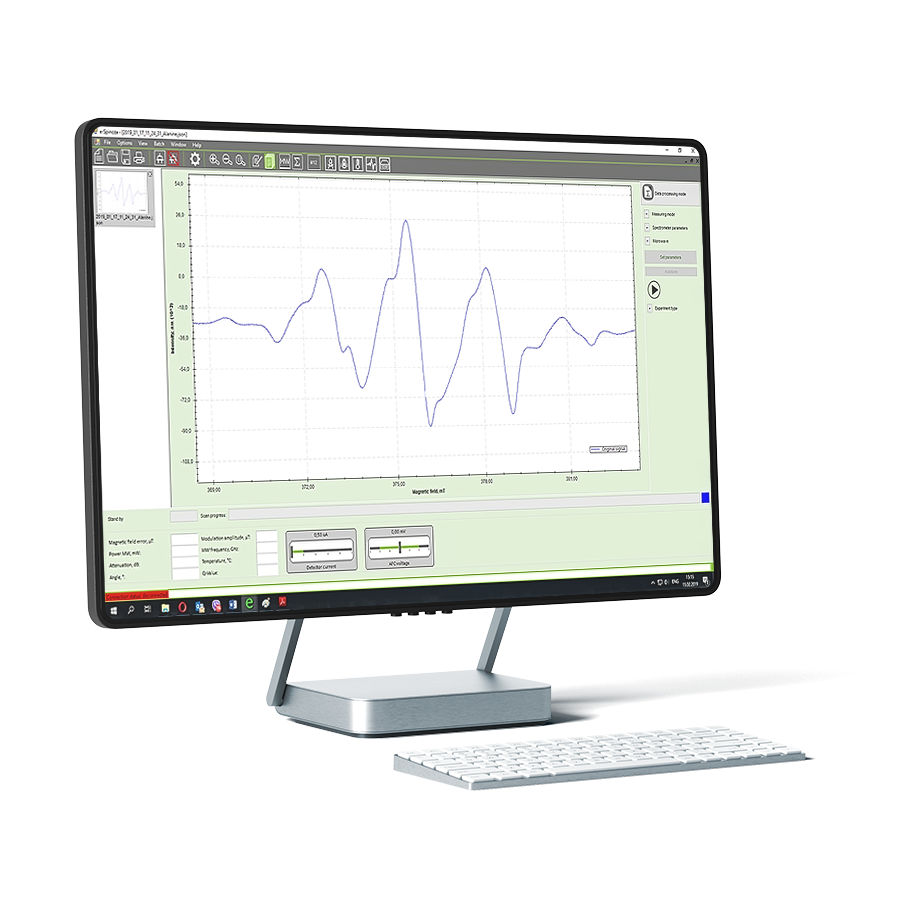
Automated Measurement Workflow
| Calibration and Curve Management
|
Advanced Evaluation Tools
| Data Management and Reporting
|
Additional features include autogain optimization, intuitive user interface with real-time visualization, and multi-user access control. Whether you’re running routine EPR analysis or managing complex research protocols, the SPINSCAN software platform delivers high-performance automation and scientific confidence across all applications.
Key features 

Compact Design
Access advanced EPR spectroscopy capabilities in a portable, benchtop format. Ideal for graduate-level instruction, undergraduate labs, and hands-on research programs where space and scalability matter.

Educational Practice
Designed for EPR education and training, the SPINSCAN platform brings full-featured electron paramagnetic resonance instrumentation into teaching environments — supporting real-time learning in physics, chemistry, and materials science.

Optimized Magnetic Field
Provides excellent field stability and homogeneity for precise, high-resolution EPR measurements. Ensures reproducible results in both qualitative and quantitative spin analysis.

High Sensitivity
Achieve research-grade sensitivity for the analysis of complex paramagnetic systems, reaction intermediates, and spin dynamics. Suitable for advanced experiments in catalysis, radiation dosimetry, and biological EPR.

Built-in Frequency Counter
Streamline your EPR experiments with integrated frequency measurement and automated g-factor calculation, ensuring accuracy in spectral identification and paramagnetic species characterization.

User-Oriented Software
The intuitive e-Spinoza Software Suite simplifies acquisition, visualization, and data processing — making it ideal for both student instruction and advanced EPR research workflows.
Compact Design
Access advanced EPR spectroscopy capabilities in a portable, benchtop format. Ideal for graduate-level instruction, undergraduate labs, and hands-on research programs where space and scalability matter.
Educational Practice
Designed for EPR education and training, the SPINSCAN platform brings full-featured electron paramagnetic resonance instrumentation into teaching environments — supporting real-time learning in physics, chemistry, and materials science.
Optimized Magnetic Field
Provides excellent field stability and homogeneity for precise, high-resolution EPR measurements. Ensures reproducible results in both qualitative and quantitative spin analysis.
High Sensitivity
Achieve research-grade sensitivity for the analysis of complex paramagnetic systems, reaction intermediates, and spin dynamics. Suitable for advanced experiments in catalysis, radiation dosimetry, and biological EPR.
Built-in Frequency Counter
Streamline your EPR experiments with integrated frequency measurement and automated g-factor calculation, ensuring accuracy in spectral identification and paramagnetic species characterization.
User-Oriented Software
The intuitive e-Spinoza Software Suite simplifies acquisition, visualization, and data processing — making it ideal for both student instruction and advanced EPR research workflows.
Our versatile EPR instrumentation supports a wide range of scientific and industrial applications, meeting the evolving analytical needs of research institutes, QA laboratories, and manufacturing sectors. Explore how our electron paramagnetic resonance (EPR) spectrometers deliver measurable impact across disciplines:
- 1. EPR Spectroscopy in Oil & Petroleum Chemistry:
Monitor oxidative stability, assess polymerization and coking reactions, and identify paramagnetic species in fuel components. EPR analysis supports degradation studies, catalyst development, and quality control in refineries and petrochemical R&D. - 2. EPR in Food Chemistry:
Analyze oxidative spoilage, radical activity, and antioxidant capacity in oils, beverages, and processed foods. Supports food safety validation, shelf-life prediction, and functional food innovation using free radical detection tools. - 3. EPR for Polymer Materials:
Study polymer aging, photodegradation, and radical chain mechanisms to enhance durability in films, coatings, and packaging. Ideal for evaluating stabilizers and additives in polymer chemistry. - 4. EPR in Catalysis Research:
Characterize active sites and short-lived reaction intermediates in metal-organic frameworks, organometallics, and heterogeneous catalysts. EPR provides mechanistic insight into redox behavior and catalytic efficiency. - 5. EPR for Photochemistry & Electrochemistry:
Investigate radical generation, charge transfer, and spin states in photochemical systems. Enables real-time monitoring in solar energy, redox batteries, and electrochemical cells using advanced EPR spectroscopy. - 6. Alanine-EPR Dosimetry:
Perform accurate, repeatable dose measurements using stable alanine radicals. Widely adopted in radiation processing, medical sterilization QA, and national metrology programs. Compliant with ISO/ASTM 51607. - 7. Antioxidants & Free Radical Biology:
Measure the efficacy of antioxidants and monitor ROS/RNS species in biological samples. Applications in nutraceuticals, aging studies, oxidative stress research, and pharmacology. - 8. EPR in Geology & Mineralogy:
Detect paramagnetic centers in minerals, authenticate gemstones, and trace geochemical signatures. Valuable for gemology, archaeology, and earth science research using non-destructive EPR analysis. - 9. EPR for Education & Academic Training:
Modular EPR education systems enable teaching of magnetic resonance concepts in physics, chemistry, and biomedical programs. Ideal for universities and student labs with hands-on experiments in basic EPR techniques.

Application Notes





Our fully integrated EPR solutions combine advanced software, modular accessories, and system-level synchronization to streamline the entire experimental workflow. With automated control and seamless data management, researchers can focus on scientific insight — not equipment setup or cross-platform compatibility.

Equipped with temperature-controlled sample environments, automated handling options, and precision-grade EPR glassware, our systems deliver reproducible and high-fidelity data. Designed for demanding conditions, they ensure accurate quantification of paramagnetic species and consistent signal interpretation across all EPR spectroscopy applications.

From radiation dosimetry and catalyst analysis to food oxidation studies and materials characterization, our EPR systems are built for versatility. Supporting disciplines from chemistry and energy science to biomedical and nutritional research, they empower laboratories with scalable, application-ready instrumentation for evolving scientific challenges.

Technical data
Technical details
| Sensitivity | 8×10⁹ spins / 0,1 mT |
| Resolution | 0,005 mT |
| Maximum magnetic field | 0,7 T |
| Sweep width | 10-4—0,65T |
| Operating Frequency | X-band |
| Microwave power | 0,01—200 mW |
| Magnetic field modulation | 10—250 kHz |
| MW bridge and cavity tuning | Automatic |
| Cavity | TE102 |
| Q unloaded | 5000 |
| Amplitude resolution | 24 bit |
Dimensions
| Overall dimensions | |
|---|---|
| Width | 470 mm |
| Length | 380 mm |
| Height | 260 mm |
| Weight (maximum) | 45 kg |
|---|
Technical details
| Sensitivity | 8×10⁹ spins / 0,1 mT |
| Resolution | 0,005 mT |
| Maximum magnetic field | 0,7 T |
| Sweep width | 10-4—0,65T |
| Operating Frequency | X-band |
| Microwave power | 0,01—200 mW |
| Magnetic field modulation | 10—250 kHz |
| MW bridge and cavity tuning | Automatic |
| Cavity | TE102 |
| Q unloaded | 5000 |
| Amplitude resolution | 24 bit |
Dimensions
| Overall dimensions | |
|---|---|
| Width | 18,5″ |
| Length | 14.9″ |
| Height | 10.2″ |
| Weight (maximum) | 99.2 lbs |
|---|
Reviews and related links
The fastest way to hear back from us is to fill the contact form below. One of our expert team will get back to you as soon as possible.